

What Is Single Origin Coffee A Guide to Taste and Terroir
If you’ve ever felt a bit lost staring at a coffee bag labeled "single origin," you're not alone. The term sounds fancy, but the idea behind it is wonderfully simple.
Think of it like this: a single-origin coffee is the solo album from your favorite musician. It’s pure, unblended, and tells the story of one specific place.
Understanding Single Origin Coffee in Under a Minute
So, what does "one specific place" really mean? It’s more granular than just a country. A single-origin coffee can be traced back to a single farm, a cooperative of farms in one community, or even a tiny, specific plot on a farm known as a micro-lot.
The magic word here is traceability. You know exactly where your beans grew, who picked them, and what makes that little corner of the world special. This is the heart and soul of the single-origin experience.
This approach is the complete opposite of a coffee blend. A blend is more like a "greatest hits" compilation album. A roaster skillfully combines beans from different places to create a consistent, balanced flavor you can count on all year round. Blends are built for harmony and reliability.
Single-origin coffee, on the other hand, is all about celebrating individuality. Its flavor is a direct reflection of its terroir—the unique combination of soil, climate, altitude, and processing methods of its home. This is why a coffee from Guji, Ethiopia, might burst with bright, fruity notes, while one from Antigua, Guatemala, offers rich chocolate and nutty flavors.
To make it even clearer, let's put them side-by-side.
Single Origin vs. Blends at a Glance
This quick table breaks down the core differences between the two, helping you see what makes each one unique.
| Feature | Single Origin Coffee | Coffee Blends |
|---|---|---|
| Origin | From one specific, known location (farm, co-op, or region). | A mix of beans from multiple locations. |
| Flavor Profile | Unique, distinct, and often complex; varies by season. | Balanced, consistent, and uniform flavor. |
| Main Goal | To showcase the unique character of a specific terroir. | To create a reliable and repeatable taste experience. |
| Availability | Often seasonal and available in limited quantities. | Generally available year-round with a stable profile. |
Ultimately, choosing a single-origin coffee is an invitation to explore. You’re not just buying coffee; you’re buying a story, a sense of place, and a chance to taste the incredible diversity the world of coffee has to offer, one origin at a time.
Tracing Your Coffee from Farm to Cup
The journey of a single origin coffee bean is really a story about a specific place. Unlike blends, which are all about creating a consistent, repeatable taste, the whole point of single origin is to preserve the unique identity of one location. This traceability isn’t just a fancy marketing term; it's a direct line from the soil where the coffee cherry grew all the way to the final brew in your cup.
Think about a coffee bag labeled "Ethiopia Guji." That tells you the country and a well-known coffee-growing zone, which is a great start. But single origin can get way more specific. The label might read "Kayon Mountain Farm," which pinpoints the exact estate where generational family farmers tend to their crops.
It can even get as granular as a micro-lot—a tiny, specific section of that farm known for producing beans with an exceptional, standout character. This level of detail is your guarantee that you're tasting something truly unique, shaped by a distinct microclimate and the dedicated hands of a single producer.
From Harvest to Your Home
Following the bean's path from the very beginning shows you exactly why its origin matters so much. Picture a farmer in the highlands of Colombia, carefully hand-picking only the ripest coffee cherries from old-growth trees. Those cherries are then processed using methods—like washed, natural, or honey—that will dramatically shape the final flavor profile.
This short diagram shows the simple, direct path from a single farm to your cup.
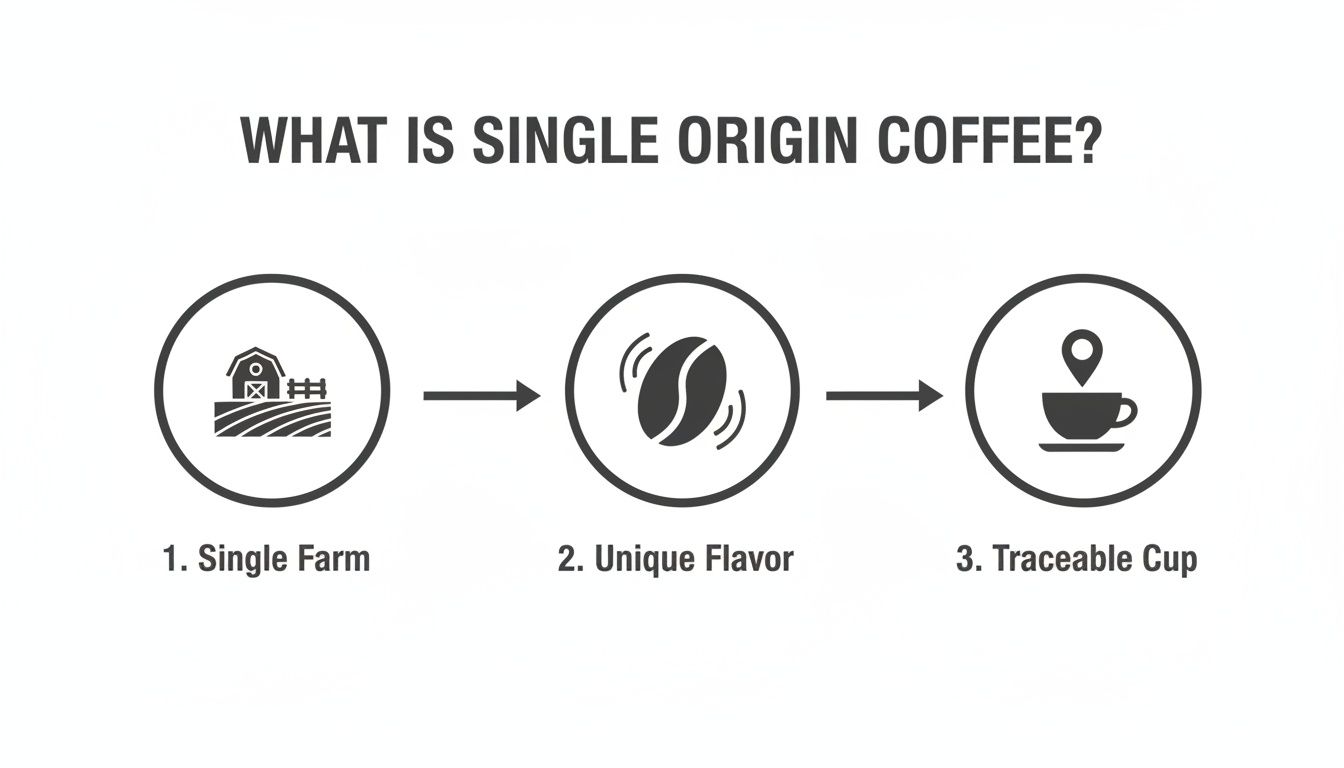
As you can see, a singular location produces a one-of-a-kind flavor, which results in a coffee experience you can trace right back to its roots.
Every step is a link in that chain of traceability. After processing, the green beans are sorted, bagged, and shipped, often with detailed info like the farm's name, the farmer's name, the altitude, and the specific lot number. A specialty roaster, like us here at Lost Without Coffee Co., then gets these beans and develops a roast profile designed to highlight their intrinsic qualities—not mask them.
This concept of terroir is central to understanding single origin coffee. It’s the idea that a coffee’s taste is a complete expression of its environment: the rich, volcanic soil, the specific amount of rainfall and sunshine, and the altitude.
The Power of a Place
This deep connection to a place makes every cup an adventure. When you brew a single origin coffee, you're not just making another generic beverage; you are literally experiencing the distinct agricultural fingerprint of a specific region. For example:
- Ethiopian coffees, especially from regions like Guji or Yirgacheffe, are famous for their bright, floral, and tea-like qualities. They often burst with notes of blueberry or citrus. Finding single-farmer lots from Ethiopia can be rare, making them a truly prized experience.
- Guatemalan beans, from areas like Antigua, often tell a completely different story. They typically deliver a full-bodied cup with rich, comforting flavors of dark chocolate, nuts, and a clean, bright acidity.
Choosing a single origin means you're choosing to taste a story. It’s an opportunity to connect with the farmers and the land that produced your coffee, appreciating the incredible diversity of flavors the world has to offer. This journey from farm to cup makes your morning ritual so much more meaningful.
Tasting the Difference Origin Makes
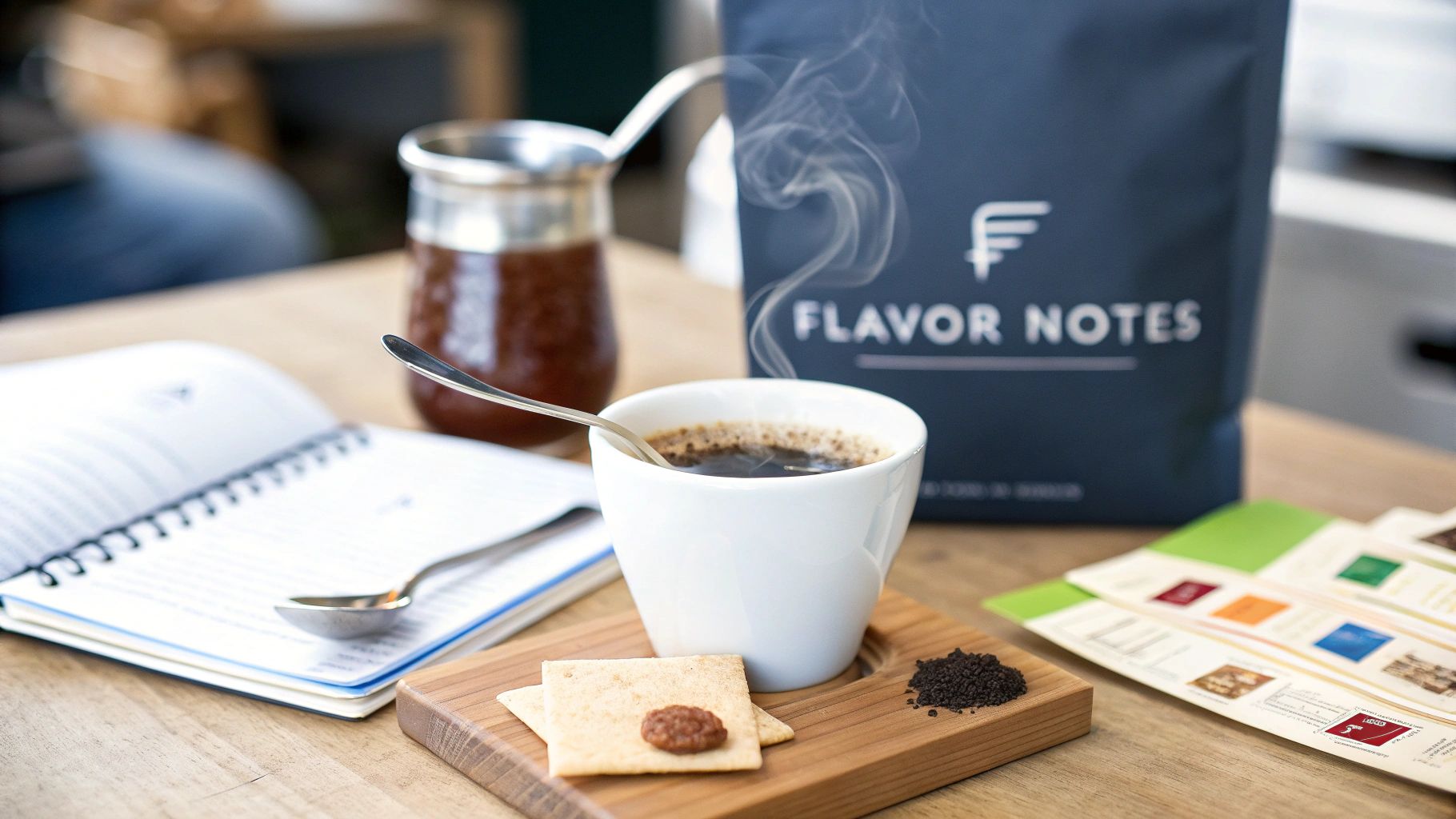
This is where single-origin coffee really comes alive—in the cup. The unique environment where a coffee grows, what experts call its terroir, is the ultimate flavor architect. Think of it as a combination of the soil, the specific climate, and the altitude, all working together to shape the final taste of the beans.
It's a lot like winemaking. Grapes from the sun-drenched valleys of Napa will give you a totally different wine than those from the cooler, rolling hills of Bordeaux. Coffee is no different. The land leaves a distinct signature, and with single-origin, you get to taste that signature in its purest form.
A Flavor Tour Around the World
Those tasting notes on a coffee bag? They’re your passport to a global flavor tour. They aren't just clever marketing terms; they're clues that point directly back to the bean's home. Once you start learning the signature profiles of the major growing regions, you can pick a single-origin coffee that perfectly matches what you love.
Here’s a quick rundown of some of the most celebrated coffee origins and their classic flavor stories:
- Ethiopia: Often called the birthplace of coffee, Ethiopian beans are known for their bright, vibrant, and incredibly complex character. Coffees from the Guji and Yirgacheffe regions are especially famous for their delicate, tea-like body and dazzling notes of blueberry, bergamot, and jasmine.
- Guatemala: Tucked away in Central America, Guatemala produces coffees that are the very definition of balance and richness. Beans from Antigua or Huehuetenango often have a full body with comforting, classic flavors like milk chocolate, toasted nuts, and a crisp, apple-like acidity.
- Brazil: As the world’s largest coffee producer, Brazil is known for its smooth, low-acidity coffees that pack an incredible sweetness. A classic Brazilian Santos will typically deliver a creamy body with mellow notes of peanut, caramel, and cocoa.
- Sumatra, Indonesia: Sumatran coffees, especially from the Mandheling region, are famous for a heavy, almost syrupy body and deep, earthy flavor profiles. Thanks to a unique "wet-hulling" processing method used there, you can expect bold notes of cedar, dark chocolate, and a hint of spice.
The real beauty of single origin is its seasonality. Just like fresh produce, coffee is a crop with a harvest season. This means the Ethiopian coffee you love in the spring might be replaced by a fresh crop from Guatemala in the fall, offering an ever-changing menu of flavors to explore.
How to Read a Coffee Bag
When you grab a bag of single-origin coffee, the label is your guide. Look beyond just the country. Roasters will often give you details about the specific region, the farm or cooperative that grew it, the altitude, and the processing method (washed, natural, honey). Each piece of information adds another layer to the story.
Understanding these details empowers you to make smarter choices. If you know you enjoy bright, fruity coffees, a naturally processed Ethiopian bean will probably be a perfect fit. If you prefer a rich, chocolatey brew, a washed Guatemalan is a great place to start. For a deeper dive, our complete guide to fresh roasted coffee beans can help you connect the dots between origin, roast, and the final flavor in your cup.
Choosing a single origin isn't just buying coffee; it's selecting an experience.
How Single Origin Coffee Changed the Game
The arrival of single-origin coffee wasn't just another passing trend—it completely flipped the script on how we think about our daily cup. This revolution was driven by what coffee pros call the "Third Wave" of coffee, a movement that elevated coffee from a simple, faceless commodity into a celebrated craft beverage, right alongside fine wine or craft beer.
For a long time, the story behind a coffee was a total mystery. Most of what you could buy was a blend, designed for one thing: consistency. But as people got more curious, a simple question started to change everything: "Where does my coffee actually come from?"
From Commodity to Craft
That curiosity for transparency created the perfect moment for single-origin coffee to take center stage. Suddenly, the unique stories of individual farms, cooperatives, and regions became a coffee's most valuable asset. People were no longer happy with a generic cup; they wanted to taste the bright, berry-like notes of a specific Ethiopian farm or the deep, chocolatey character of a Guatemalan cooperative.
This new focus on a coffee's "provenance" pushed roasters to forge direct relationships with farmers. It wasn't enough to just buy beans from a massive, anonymous supplier anymore. Instead, roasters started traveling to coffee-growing countries, meeting the producers face-to-face, and bringing their unique stories back home to share with customers.
This shift created a whole new market where traceability and distinct flavor profiles were king. Coffee lovers became willing to pay a premium for a cup with a clear, verifiable origin story, which in turn meant better pay for the farmers producing those exceptional beans.
The impact has been massive. Specialty coffee, the very segment that champions these single-origin lots, has grown to represent a huge slice of the global coffee market. This boom was fueled by folks like us who are willing to pay a little more for the traceability and knockout flavors that single-origin coffee delivers. You can dive deeper into this market shift in this detailed report on the single origin coffee market.
Elevating the Entire Industry
This cultural shift did more than just introduce us to new flavors; it raised the bar for the entire coffee industry. By putting direct relationships and transparent sourcing front and center, the single-origin movement created a much deeper appreciation for the immense skill and hard work that goes into every single high-quality cup.
The ripple effects have been incredible:
- Greater Farmer Recognition: Producers of amazing coffee finally got the credit they deserved, going from nameless suppliers to celebrated artisans in their own right.
- Improved Quality Standards: With a clear line drawn between quality and price, farmers were motivated to invest in better farming and processing techniques.
- A More Educated Consumer: Coffee drinkers started learning about things like terroir, processing methods, and tasting notes, becoming active participants in their own coffee journey.
Ultimately, single-origin coffee changed the game by giving coffee a voice. It allowed the unique character of each farm, region, and community to shine through, turning a simple daily ritual into an adventure of discovery.
Connecting Your Purchase to People and Planet
Choosing a single origin coffee is about more than just finding a unique flavor. It's a conscious decision to connect with the people and places behind your daily brew. Because single origin is so traceable, it creates a much clearer, more direct, and often more equitable link between coffee farmers and you.
This connection completely changes the coffee trade. Instead of selling their crops into a huge, anonymous supply chain, producers of high-quality single origin lots can build direct trade relationships. These partnerships let them sell beans straight to roasters, cutting out many of the middlemen who typically take a slice of the profits.
By building these direct relationships, the single origin movement helps ensure that more of the price you pay for a bag of coffee actually makes it back to the farmers and their communities. This isn't just a feel-good story; it gives producers higher, more stable prices that can dramatically improve their livelihoods.
Certifications and Conscious Consumerism
As coffee drinkers have demanded more transparency, ethical and environmental certifications have become more important. When you spot a label like Fair Trade or Rainforest Alliance on a bag of single origin coffee, it acts as a trusted, third-party stamp of approval for the standards used to produce it.
These certifications give you a clear signal about the coffee's journey:
- Fair Trade: This certification is all about economic fairness. It guarantees farmers a minimum price for their coffee, which acts as a safety net against wild market swings. It also provides an extra premium for community development projects.
- Rainforest Alliance: This seal means the farm meets strict standards for environmental, social, and economic sustainability. This includes protecting biodiversity, conserving natural resources, and promoting the well-being of workers and local communities.
The rise of single origin has fueled a much broader movement toward sustainability. The numbers don't lie: certified coffees have grown significantly alongside single-origin offerings. Recent reports show Fairtrade-certified outputs topping ~578,000 metric tons and Rainforest Alliance volumes climbing into the millions as these labels build consumer trust. By rewarding producers for exceptional quality, this model encourages sustainable practices and empowers farming communities.
A More Sustainable Supply Chain
Ultimately, focusing on a coffee's origin has pushed the entire industry to be more transparent and responsible. It encourages all of us—roasters and coffee drinkers alike—to think critically about where our coffee comes from and the real impact of our purchase.
This shift toward mindful consumption supports a system where quality and ethics go hand-in-hand. When you choose a coffee with a clear story, you're not just buying a better product; you're investing in the people who grew it and the planet they call home. It’s a powerful way to make your morning ritual more meaningful. If you're interested in the values that drive this approach, you can learn more about our sourcing philosophy and our commitment to these principles.
How to Choose and Brew Your First Single Origin Coffee
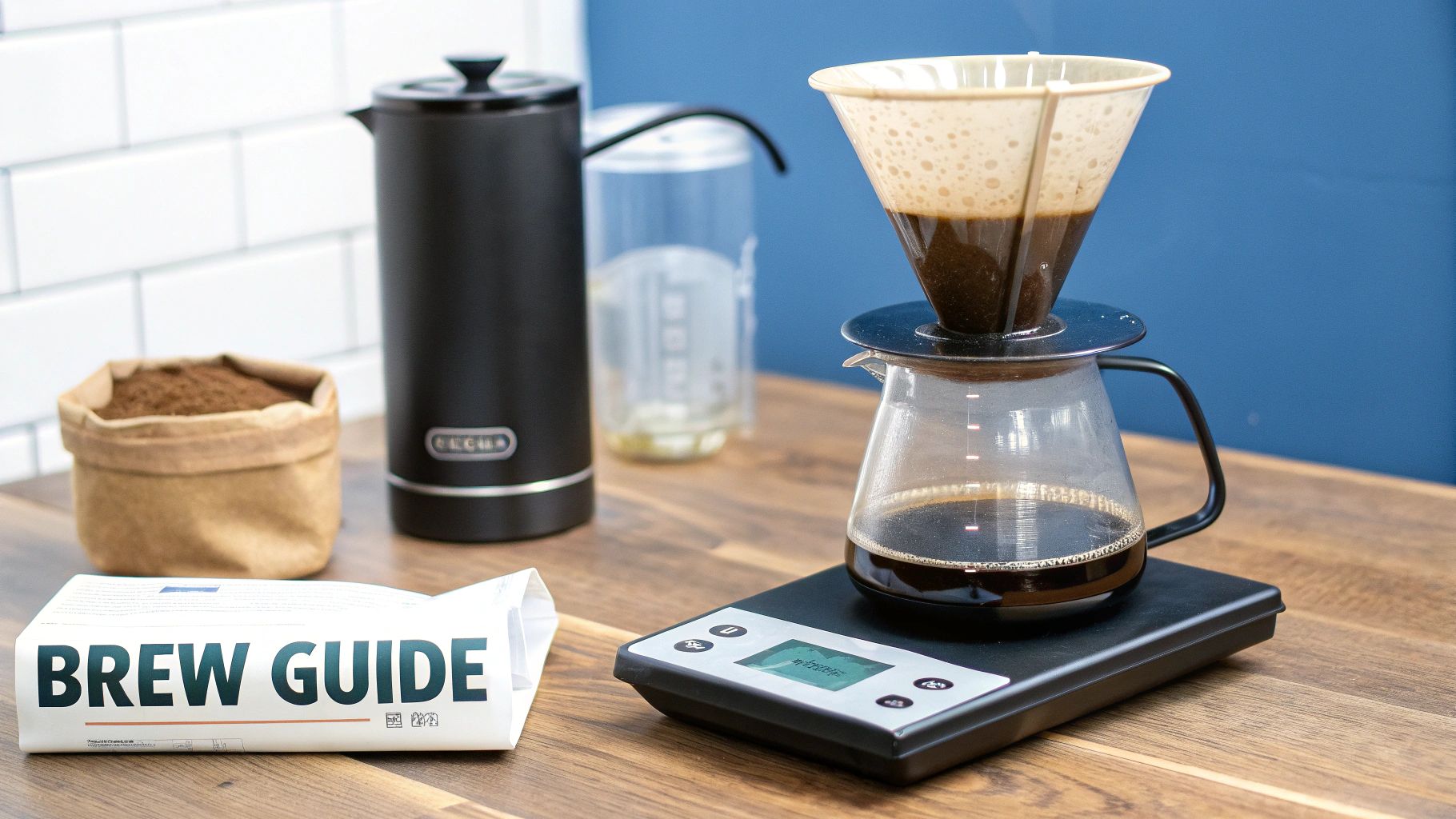
Diving into the world of single origin coffee is an awesome next step, but it’s way easier than you might think. It all starts with learning to read the coffee bag—think of it as a treasure map pointing to all the unique flavors locked inside.
First, look for a few key details that tell the coffee’s story. The most important is the origin. It might list a country like Ethiopia, a specific region like Guji, or even the name of a single farm. That’s your first and biggest clue to the flavor profile.
Next, find the tasting notes. These aren't added flavors; they describe the natural character of the bean, like "blueberry, bergamot, floral" or "dark chocolate, nutty." Finally, look for the processing method (washed, natural, or honey), as this has a huge impact on the coffee’s body and taste.
Making the Perfect Cup
Once you've snagged a bag that sounds incredible, it’s time to brew. Your goal here is to highlight the delicate, unique flavors of your single origin coffee, not hide them.
Methods that give you more control, like a pour-over or an AeroPress, are absolutely perfect for this. They allow the coffee's distinct character to really shine, whether it's the bright acidity of a Kenyan bean or the earthy depth of one from Sumatra. While pretty much any method will work, these give you the best shot at tasting what makes that origin special.
Pro Tip: Always use freshly ground beans. Grinding right before you brew protects the fragile aromatic compounds that give single origin coffee its incredible complexity. Seriously, this one step makes a massive difference.
Simple Steps for Better Brewing
You don’t need to be a pro barista to make an amazing cup. Just focusing on a few fundamentals will immediately level up your home brewing game.
- Use a Scale: Measuring your coffee and water by weight (not scoops) is the secret to consistency. A great starting point is a 1:16 ratio, meaning 1 part coffee to 16 parts water (for example, 20g of coffee to 320g of water).
- Watch Your Water Temperature: You want water that’s just off the boil, right around 195-205°F (90-96°C). If it’s too hot, you can scorch the grounds and end up with a bitter cup.
- Mind Your Grind: The grind size needs to match your brew method. A pour-over works best with a medium grind, similar to sea salt, while a French press needs a much coarser grind. For a deeper look at this, check out our guide on how to make French press coffee.
With these simple guidelines, you’ll have the confidence to pick out a fascinating single origin and brew a cup that truly honors its unique story.
Got Questions About Single Origin? We've Got Answers.
As you start diving into the world of single origin coffee, a few questions always seem to pop up. Let's tackle them head-on so you can sip with confidence.
Is Single Origin Coffee Better Than Blends?
Honestly? Not "better," just different. It’s like comparing a solo guitarist to a full band.
A single origin coffee is the soloist, hitting unique, sometimes wild notes that tell the story of one specific place. A blend, on the other hand, is the well-rehearsed band, where different beans are combined to create a balanced, consistent, and harmonious flavor.
Your personal taste is the only thing that matters here. Are you in the mood to explore a one-of-a-kind flavor profile, or would you rather kick back with a familiar, perfectly balanced cup?
Does “Single Origin” Automatically Mean It’s High-Quality Coffee?
Not necessarily. While it's often a sign of something special, the term "single origin" is just a statement of geography—it tells you where the coffee is from, not how good it is. You can still have poorly grown or processed coffee from a single farm.
However, when a roaster goes out of their way to feature a single origin, they're usually putting a spotlight on its exceptional character. Think of it as a strong hint that you're about to try something special.
The real secret sauce here is traceability. When a roaster invests in a specific lot from a single farm, it’s almost always because that coffee has an incredible story to tell through its flavor. It signals a serious commitment to quality, from the farmer all the way to your cup.
Why Does It Cost More?
That slightly higher price tag isn't just for show—it reflects the coffee's unique journey and value.
Several things are at play here: limited availability from a single harvest, the meticulous labor required to meet higher quality standards, and ethical sourcing practices. Many roasters use direct trade models, which ensure farmers are paid a premium for their incredible work.
You're paying for a traceable story, a unique flavor experience, and a more sustainable and equitable trip from farm to mug.
Ready to explore the world of single-origin coffee on your next adventure? Lost Without Coffee Co. sources exceptional beans from renowned regions like Ethiopia and Guatemala, roasting them fresh to fuel your journey. Find your next favorite coffee today.
Article created using Outrank