

Your Guide to Finding the Best Single Origin Coffee
Finding the best single origin coffee isn't about chasing some award-winning bag someone else loves. It's about figuring out what you love and finding the coffee that tells that story.
For some, it’s the bright, almost-like-juice flavors of an Ethiopian Guji. For others, it’s the comforting, chocolatey richness of a Guatemalan Antigua. The "best" is simply the one that makes you want a second cup.
What Makes a Single Origin Coffee the Best
Think of single origin coffee like wine. A bottle of Pinot Noir from Burgundy tells a story of its specific vineyard—the soil, the climate, the year it was harvested. A bag of single origin beans does the same, capturing a perfect snapshot of its home.
This idea has a name: terroir (pronounced ter-wahr). It’s a fancy word borrowed from the wine world, but it just means that a region’s unique environment shapes how the coffee tastes. It's the reason an Ethiopian coffee can burst with blueberry notes while a Brazilian bean tastes like peanut butter and cocoa. Your taste buds are the only judge that matters.
Finding Your Perfect Flavor Profile
The hunt for your favorite single origin is really a taste adventure. Instead of asking what's "best," ask yourself what flavors you already enjoy.
Do you lean towards:
- Bright & Fruity? If you love citrus, berries, and floral teas, you'll feel right at home with coffees from Ethiopia or Kenya. They’re known for their vibrant, crisp acidity.
- Rich & Chocolatey? For those who want a classic, comforting cup full of chocolate, nuts, and caramel, Central and South America is your playground. Origins like Guatemala and Brazil are smooth, balanced, and reliably delicious.
- Earthy & Bold? Crave something deep, spicy, and a little wild? Look to Indonesian regions like Sumatra. These coffees have a heavy body and an unmistakable earthy character.
The real beauty of single origin is its honesty. You're not just tasting "coffee"—you're tasting a specific place, a specific farm, and the care that went into growing and processing those beans.
Once you start thinking this way, a whole new world opens up. To go a bit deeper, check out our guide that breaks down exactly what single origin coffee is and how it’s different from a blend.
Arming yourself with a little knowledge turns a simple daily ritual into a journey, whether you're brewing at your kitchen counter or with a portable setup on the trail.
Exploring the World's Most Celebrated Coffee Origins
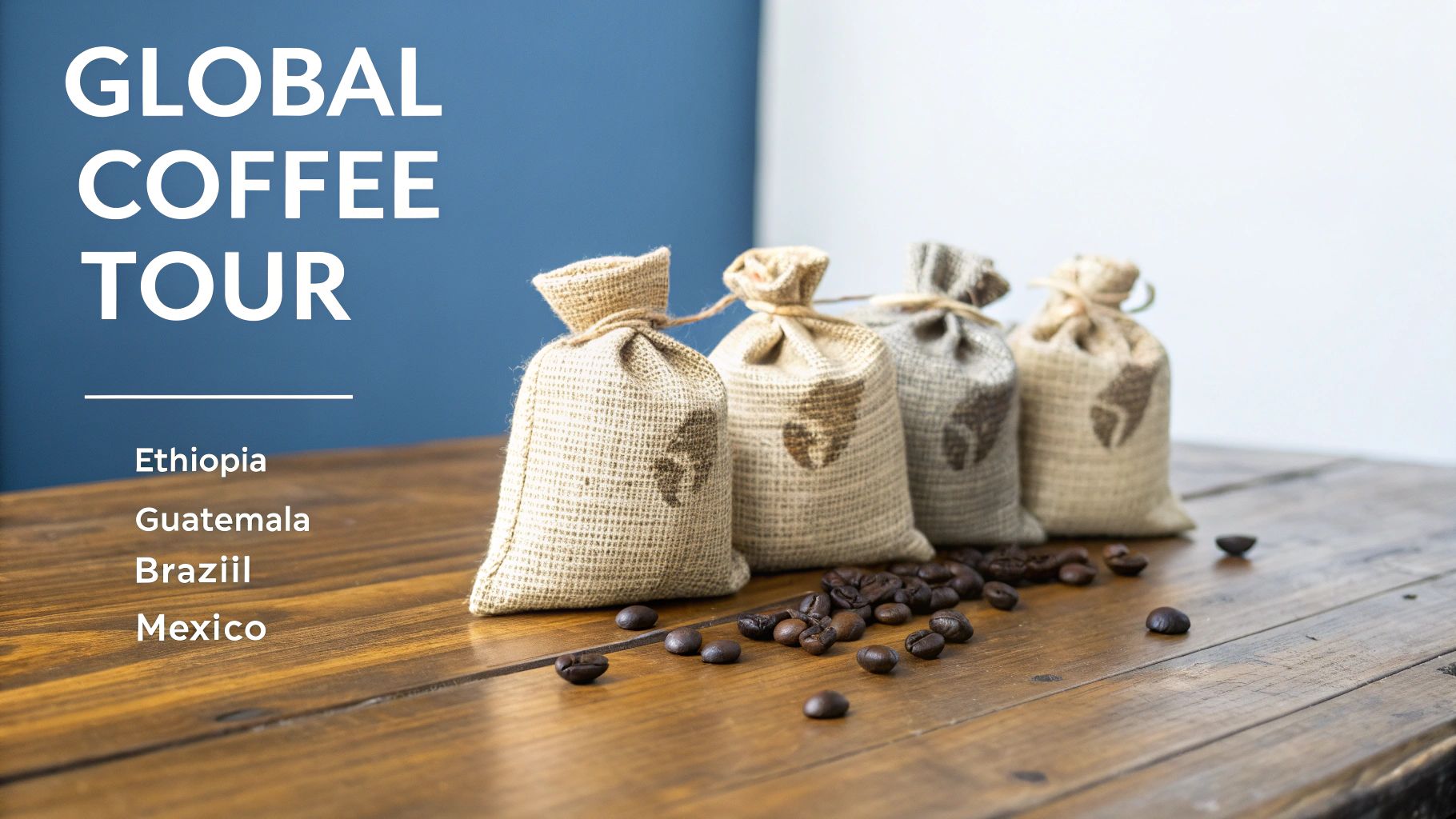
Alright, now that you know how to hunt down flavors that match your personal taste, let's take a quick trip around the globe. Every single origin coffee tells a story about its home, shaped by the dirt it grows in, the sun it soaks up, and the hands that harvest it. Learning these stories is how you find the best single origin coffee for your next brew, whether that’s in your kitchen or by a campfire.
We're about to journey through four of the world’s most famous coffee-growing regions. Each stop will reveal a totally unique personality in the cup, giving you a field guide for your own coffee adventures.
Ethiopia: The Birthplace of Arabica
When you start talking about specialty coffee, the conversation almost always kicks off in Ethiopia. It's not just a country that grows amazing coffee; it's the legendary cradle of the entire Arabica species. The beans here are often ancient "heirloom" varieties, growing wild in forests, which gives them an incredibly complex and one-of-a-kind flavor.
Ethiopian coffees are famous for being bright, clean, and often downright surprising. Forget that classic, old-school "coffee" taste. Think more along the lines of a vibrant, fragrant experience—almost like sipping a fine tea or a glass of crisp white wine.
One of the most treasured regions within Ethiopia is the Guji zone. Coffees from Guji are legendary for their intense fruit-forward and floral notes. Brewing a cup is like opening a window onto a summer garden after a light rain.
Ethiopian coffees consistently sit at the top of the quality pyramid. As the birthplace of Arabica, the country accounts for roughly 4–5% of global coffee production by volume, but its share of high-scoring specialty lots is much, much higher.
This reputation is well-earned. In global cupping competitions, natural-processed Guji coffees frequently score above 87–90 points on the Specialty Coffee Association (SCA) scale, putting them in the absolute top tier of flavor quality. This elite status is helping fuel the single origin market's growth, which is on track to hit around USD 23–25 billion by 2034. For a roaster like Lost Without Coffee Co., offering a fruit-bomb Ethiopian Guji means connecting with people who want both a great story and incredible terroir in their bag. You can get a closer look at these market trends and projections on Precedence Research.
Common Tasting Notes in Ethiopian Guji:
- Fruit: Ripe blueberry, strawberry, and raspberry notes are classic, especially in naturally processed beans.
- Floral: You'll often find delicate hints of jasmine, bergamot, and lavender weaving through the cup.
- Acidity: Expect a bright, clean, and crisp acidity that makes the coffee feel lively and refreshing on your palate.
Guatemala: The Epitome of Balance
Let's hop across the Atlantic to the volcanic highlands of Guatemala. This is the land of balanced, structured, and deeply satisfying coffees. If Ethiopia is coffee's wild, untamed garden, then Guatemala is its perfectly manicured orchard.
The country's steep mountains and rich volcanic soil create the perfect storm for growing world-class Arabica. Two regions, in particular, really stand out: Antigua and Huehuetenango.
Antigua is probably Guatemala's most famous coffee region, tucked between three massive volcanoes. The soil is packed with minerals, and the predictable climate produces beans that are consistently fantastic.
Huehuetenango, on the other hand, is one of the highest and driest growing regions. Hot winds blowing in from Mexico protect the area from frost, letting farmers grow coffee at altitudes up to 2,000 meters. That extreme altitude leads to denser, more complex beans.
Common Tasting Notes in Guatemalan Coffee:
- Chocolate: Milk chocolate and rich dark cocoa are the calling cards of a classic Guatemalan coffee.
- Nuts & Caramel: Think roasted almonds, buttery toffee, and a satisfying brown sugar sweetness.
- Fruit: It's more subtle than in Ethiopian coffees, but you'll often find gentle notes of red apple, cherry, or orange.
The end result is a cup that's incredibly versatile. It's complex enough to shine in a pour-over but has the body and richness to make a killer latte or cappuccino. This makes it a perfect starting point for anyone just dipping their toes into the world of single origins.
Brazil: The Smooth and Approachable Giant
Our next stop is Brazil, the undisputed heavyweight champ of the coffee world. For decades, Brazil has been the planet's biggest coffee producer, known for its consistent, low-acidity, and crowd-pleasing profiles. While a ton of its coffee goes into big commercial blends, certain regions are gaining serious street cred for exceptional single origin lots.
The Cerrado Mineiro region is a perfect example. Located in the state of Minas Gerais, it was the first region in Brazil to get a protected geographical status—basically, a guarantee of quality and origin. Unlike the dramatic mountains of Guatemala or Ethiopia, Cerrado is a high, flat plateau with a steady, predictable climate.
That environmental stability translates directly into the cup. Brazilian coffees from this area are known for being incredibly smooth, full-bodied, and packed with nutty sweetness. They're the comfort food of the coffee world.
Think of a Brazilian Cerrado Mineiro as your reliable daily driver. It’s the coffee you can brew every morning without a second thought, delivering a comforting, familiar flavor that gets your day started on the right foot.
This approachable profile makes it a fantastic choice for anyone who isn't a fan of the bright acidity found in many other single origins. It's also an incredible base for espresso, producing that thick, stable crema and a rich, chocolatey shot every time.
What to Expect from a Brazilian Cerrado Mineiro:
- Dominant Flavors: Look for big notes of roasted peanut, almond, and milk chocolate.
- Low Acidity: These coffees are exceptionally smooth with almost no sharpness or bite.
- Full Body: The mouthfeel is often described as heavy, creamy, and deeply satisfying.
Mexico: The Versatile and Underrated Origin
Finally, we land in Mexico, an origin that often flies under the radar but produces some truly stunning coffees. The main growing areas, mostly in the southern states of Chiapas and Oaxaca, are defined by high altitudes, incredible biodiversity, and communities of dedicated smallholder farmers.
Mexican coffees are like chameleons; they can offer a huge range of flavors depending on the specific microregion and how the beans are processed. As a rule of thumb, though, they are known for being clean, light-bodied, and subtly complex. They often share some characteristics with their Guatemalan neighbors, just with a lighter, more delicate touch.
What makes Mexican single origins so exciting is their versatility. You might find a washed coffee from Chiapas with crisp notes of green apple and brown sugar, or a natural from Oaxaca with hints of dried fruit and warm spice. This diversity makes it a fantastic region to explore.
Key Characteristics of Mexican Coffee:
- Flavor Profile: Often features notes of milk chocolate, roasted nuts, and a gentle citrus or stone fruit acidity.
- Body: Typically lighter and more delicate than coffees from Brazil or Guatemala.
- Cleanliness: Mexican coffees are celebrated for their exceptionally clean finish, with no funky or bitter aftertaste.
This subtle, clean character makes them perfect for any time of day. They're excellent brewed as a pour-over or in a drip coffee maker, where their delicate nuances can really shine. For the outdoor adventurer, a Mexican single origin from Lost Without Coffee Co. offers a bright, refreshing cup to sip on a cool mountain morning.
How Roasting Unlocks Your Coffee's True Flavor
Ever wondered what a coffee roaster actually does? Think of them as a chef, and the green coffee bean is their star ingredient. Just like a chef can sear, bake, or grill a steak to draw out different textures and flavors, a roaster uses heat, timing, and skill to transform that raw ingredient into something incredible.
A green, unroasted coffee bean holds all the genetic potential of its origin, but on its own, it just tastes grassy and raw. The roaster's craft is where the magic happens. It's the final, crucial step that caramelizes sugars and develops the aromatic compounds that create the amazing diversity we love in the best single origin coffee.
Getting a handle on the basic roast levels is your secret weapon. It’s the key to finally matching a bag of beans to the flavors you genuinely enjoy, moving you from guesswork to intentional, delicious choices.
Light Roasts: Championing Origin
A light roast is like a quick, hot sear on a piece of fish—it's all about preserving the ingredient's delicate, inherent character. The roaster applies heat for a shorter time, just long enough to develop the bean's natural flavors without letting the "roast" taste take over. The result is a cup that's bright, complex, and often wonderfully acidic.
This is where the terroir we talked about earlier really sings. If you're sipping a light-roasted Ethiopian Guji, you’ll get those vibrant berry and floral notes with stunning clarity. The roast simply gets out of the way and lets the bean tell its own unique story.
- Appearance: Light brown, almost cinnamon-colored beans. You won't see any oil on the surface.
- Flavor Profile: Bright, fruity, floral, and lively with a crisp, often tea-like acidity.
- Best For: Drinkers who geek out on nuanced, complex flavors and want to taste the purest expression of a coffee's origin. It’s absolutely perfect for pour-over methods that highlight clarity and subtlety.
Medium Roasts: Striking a Perfect Balance
Moving into a medium roast is like shifting from a sear to a slow-roast in the oven. By extending the roasting process, the roaster allows more of the bean's natural sugars to caramelize, which builds more body and sweetness for a perfectly balanced, rounded cup.
While a great medium roast still lets plenty of origin character shine through, it starts to introduce those classic, comforting "coffee" flavors like chocolate, toasted nuts, and caramel. This makes it an incredibly versatile and crowd-pleasing choice. A Guatemalan coffee at this level, for example, will have its rich chocolate notes deepened and its acidity softened into something smooth and deeply satisfying.
A medium roast is the sweet spot for so many coffee lovers. It creates a beautiful harmony between the bean's origin notes and the comforting flavors from the roast itself—a cup that's both interesting and incredibly approachable.
Dark Roasts: Crafting Bold and Rich Flavors
Now, think of a dark roast as grilling over an open flame. Here, the beans are roasted longer and at higher temperatures, a process that brings natural oils to the surface and gives them a dark, shiny appearance. This intense heat fundamentally changes the bean's chemistry.
Those origin-specific notes—the bright fruits and delicate florals—are almost entirely swapped out for bold, smoky, and bittersweet flavors created by the roast itself. The acidity is tamed, and the body becomes heavy and rich. This is the roast profile that creates that classic, intense flavor many of us associate with a great espresso or a traditional, comforting diner coffee.
For a deeper look into how the clock starts ticking on these flavors, our guide on what makes fresh roasted coffee taste so much better breaks down the science. Ultimately, a dark roast sets aside the subtleties of a single origin in favor of a powerful, roast-forward experience.
Matching Your Coffee to Your Lifestyle
Finding the best single-origin coffee isn't about just picking a country off a map. The real secret is matching the right coffee to the right moment. The perfect cup for a lazy Sunday morning at home is probably not the same one you'd want fueling a chilly sunrise on the trail.
If you start by thinking about your lifestyle, you can cut through the noise and narrow down the options in a smart way. When you connect a coffee’s origin and roast profile to your daily routine, you end up with a brew that’s not just delicious, but perfectly suited for whatever you're doing.
Let’s walk through a few common scenarios to find your ideal match.
For Your Next Outdoor Adventure
When you’re packing for a camping trip or a hike, convenience and versatility are king. You need a coffee that tastes great brewed with simple gear, like a portable pour-over or an AeroPress, and holds up well in a thermos. No one wants to fuss with a complicated recipe when they're out in the wild.
For this, a balanced, medium-roast single-origin is your best friend. Look for beans from regions known for their smooth, crowd-pleasing flavors that don't need a perfect brew to shine.
- Guatemala Antigua: A classic choice that delivers rich notes of milk chocolate and toasted nuts, with a gentle, apple-like sweetness. It’s comforting, full-bodied, and tastes fantastic no matter how you make it.
- Mexico Chiapas: This one offers a slightly lighter body with clean notes of brown sugar and a hint of citrus. It's a refreshing and easy-drinking coffee, perfect for a crisp morning outdoors.
Both of these will give you a satisfying cup that’s complex enough for a coffee lover but totally approachable for everyone else sharing the campsite. Lost Without Coffee Co. even offers these in single-serve pods, making for a no-mess brew on the go.
If you're unsure where to start with roasts, this little chart can help you decide based on the flavors you enjoy.
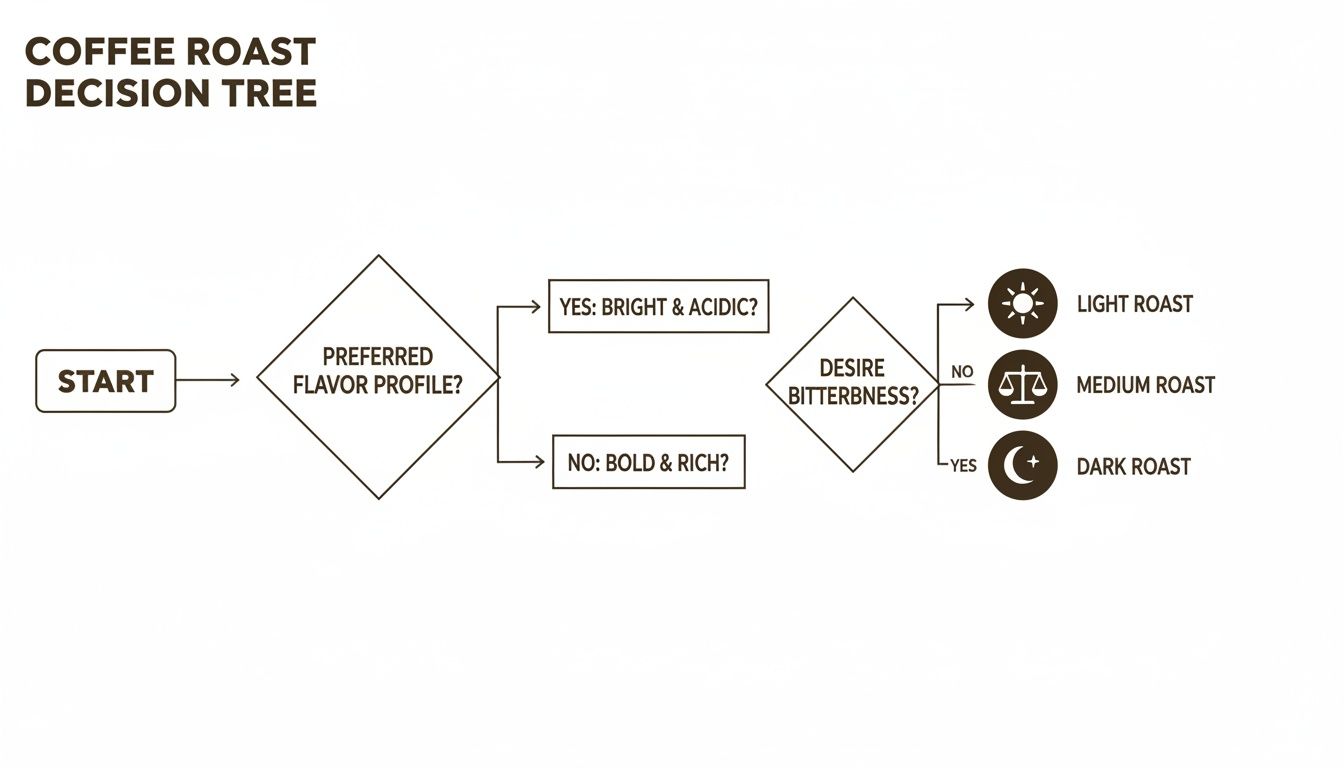
As you can see, light roasts are all about the bean's unique character, dark roasts bring out those bold, smoky notes, and medium roasts hit that sweet spot right in the middle.
For the Office Daily Driver
Choosing a coffee for the office is all about finding a true crowd-pleaser. You need something that works well in a big batch brewer or a pod machine, won't be too acidic for sensitive palates, and offers a comforting, consistent flavor day after day.
The ideal office coffee should be the dependable background music to a productive day—smooth, enjoyable, and never distracting.
This is where a low-acidity, medium-roasted Brazilian coffee really shines. A single origin from the Cerrado Mineiro region is an unbeatable choice. These coffees are famous for their incredibly smooth body and sweet, nutty flavors of peanut butter, cocoa, and caramel. It's just plain delicious.
Brazil’s Cerrado Mineiro has become a powerhouse in the single-origin world, blending large-scale production with impressive quality controls. While Brazil produces about 78% of South America’s coffee, much of it for commercial blends, regions like Cerrado Mineiro have earned a protected geographical status that guarantees traceability and high standards. This focus has fueled specialty demand, lining up with projections that the single-origin market will grow to over USD 23–25 billion by 2034. And since ground coffee—perfect for office brewers—makes up roughly 48% of those sales, the need for approachable yet high-quality options like a Cerrado Mineiro is clear. You can learn more about how origin traceability is shaping the future of the single-origin coffee market.
For a Special Gift
When you’re buying a gift for a coffee connoisseur, you want to give them an experience. This is the time to pick something exotic, complex, and memorable—a coffee that tells a story and delivers a flavor profile they won't forget.
Look no further than a light-roasted Ethiopian Guji. It’s the perfect choice for someone who appreciates the finer, more delicate side of coffee.
- Flavor Profile: Get ready for an explosion of vibrant, fruity, and floral notes. Think ripe blueberry, fresh strawberry, jasmine, and a zesty bergamot finish.
- The Experience: This isn’t just coffee; it’s a conversation starter. It challenges expectations and showcases the incredible diversity of flavor that a single origin can offer.
Gifting an Ethiopian Guji shows you put some real thought into it and have a deep appreciation for the craft of specialty coffee. It's a surefire winner for any serious coffee lover.
How to Brew and Store Your Coffee for Peak Flavor
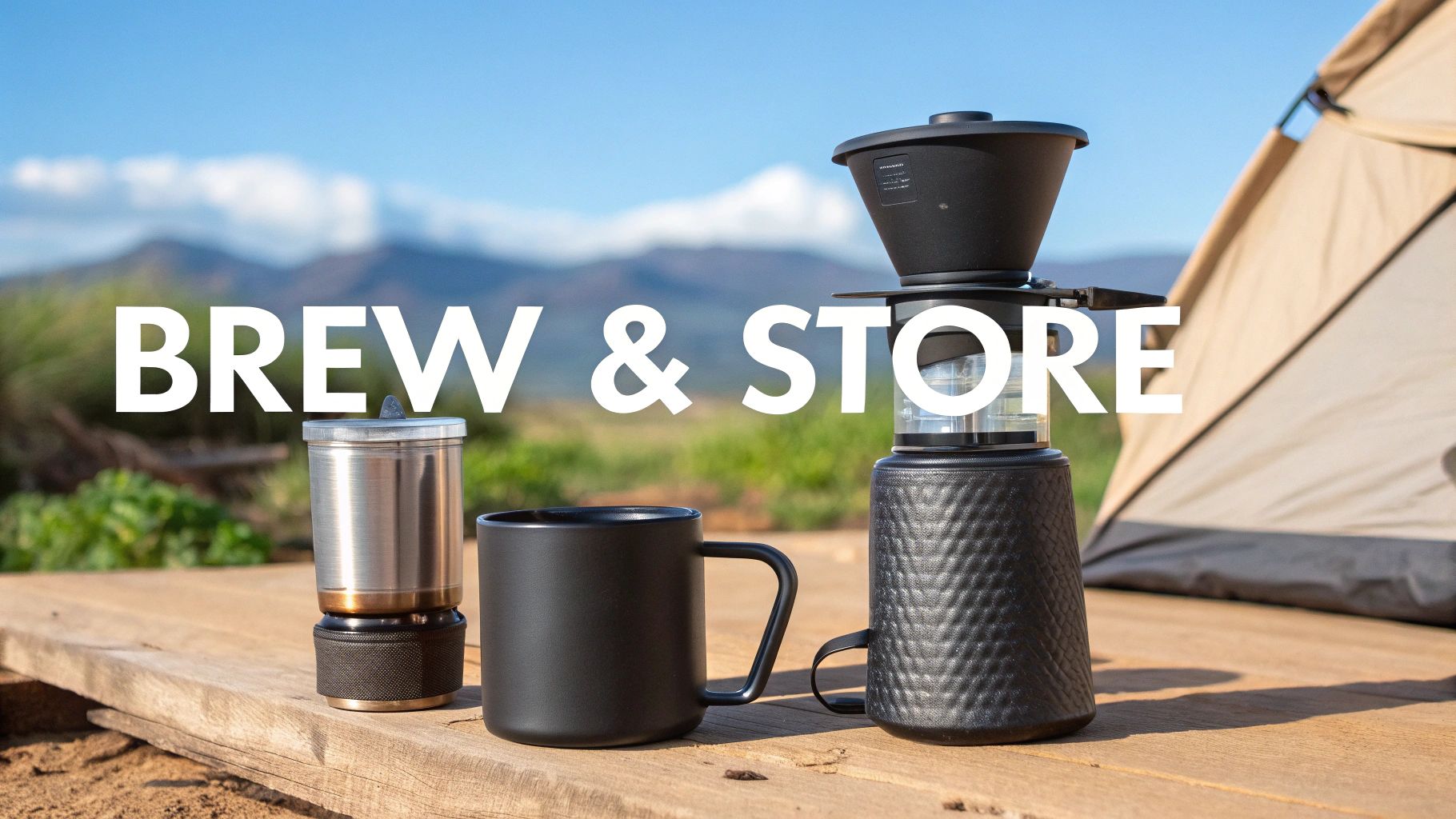
Choosing the perfect single-origin is only half the battle. How you treat those beans once they’re in your hands is just as important.
Think of fresh coffee beans like delicate produce. They have four natural enemies: oxygen, light, heat, and moisture. Let them get too friendly, and that vibrant Ethiopian Guji you were so excited about will turn dull and lifeless before you know it.
Proper storage is your first line of defense in preserving that peak flavor. The rules are simple, but you'll want to stick to them.
The Golden Rules of Coffee Storage
Your mission is to create a safe, stable home for your beans. Forget that clear glass jar on the counter or stashing them in the freezer—both are common mistakes that actually make your coffee go stale faster.
Instead, just follow these guidelines:
- Use an Opaque, Airtight Container: Oxygen is the number one enemy of fresh coffee. A container that seals tight and blocks out all light is absolutely essential for keeping those beans at their best.
- Find a Cool, Dark Place: Stash your container in a pantry or cupboard, far away from the oven, stove, or a sunny windowsill. Heat just speeds up the chemical reactions that make coffee taste stale.
- Buy Whole Bean and Grind Fresh: This is the big one. Pre-ground coffee exposes exponentially more surface area to oxygen, causing it to lose its magic in minutes, not days. Grinding right before you brew is the single biggest upgrade you can make to your coffee game.
By mastering storage, you ensure that every cup you brew tastes exactly as the roaster intended. It’s a simple step that honors the journey of the bean from the farm to your home.
Brewing for Maximum Flavor at Home and on the Trail
With your beans properly stored, brewing is all about consistency. The most important variable to control is your coffee-to-water ratio.
A fantastic starting point for almost any brew method is a 1:16 ratio. That's just a simple way of saying one gram of coffee for every 16 grams (or milliliters) of water. It’s a reliable baseline you can tweak to your personal taste.
And for all you outdoor adventurers, great coffee doesn't require a complicated setup. You can absolutely enjoy the best single origin coffee out in the wild.
Portable brewing methods are perfect for life on the go:
- AeroPress: This thing is a backcountry champion. It's lightweight, nearly indestructible, and incredibly forgiving. You can whip up anything from a strong, espresso-like shot to a clean, full-bodied cup.
- Portable Pour-Over: Compact drippers pack down to almost nothing and let you brew a clean, nuanced cup that really lets the delicate notes of a single-origin shine, even if you're miles from the nearest trailhead.
No matter where your journey takes you, these simple steps will help you unlock some truly exceptional flavor in every single cup.
Understanding Ethical Sourcing in Your Coffee Purchase
When you're hunting for the perfect single-origin coffee, the story behind the beans matters just as much as what ends up in your cup. "Ethically sourced" isn't just a trendy label; it’s a real commitment to a supply chain that puts fairness, sustainability, and transparency first—from the farm all the way to our roastery.
This means farmers get a fair price for their incredible hard work, the land they depend on is protected, and we can trace a clear line right back to where the coffee grew. As someone who cares about good coffee, you hold a lot of power. Every bag you buy helps support a better, more equitable coffee world.
What to Look For on the Bag
Making a good choice is easier than you might think. Don't fall for vague promises; look for concrete details that show a roaster is serious about transparency. Here are three things to check for:
- Specific Origin Details: "Guatemala" is good, but "Guatemala Antigua" is better. A roaster who truly cares will tell you the region, the cooperative, or even the specific farm the beans came from.
- A Clear Roast Date: Freshness is everything. A roast date tells you exactly when the beans were roasted, so you know you're not getting a bag that's been sitting on a shelf losing flavor.
- Roaster Transparency: Does the roaster share stories and photos of their farming partners? A company that proudly puts its farmers front and center is usually one that invests in those relationships.
By choosing coffee with clear traceability, you're directly supporting farming communities and sustainable practices. It’s a small action that makes a huge impact on the entire coffee ecosystem.
High-altitude single origins from places like Guatemala’s Antigua and Huehuetenango have become mainstays in the specialty market, proving just how much value traceability adds. The global coffee industry is massive—projected to top USD $360 billion by 2030—but only a tiny fraction of that is tied to transparently sourced single origins. High-altitude Central American farms, however, punch way above their weight, producing dense, complex beans that score high and resonate with people who want a real story in their cup. You can dig into more of these global coffee market dynamics on Grand View Research.
Ultimately, knowing the basics of ethical sourcing helps you choose a coffee that not only tastes incredible but also does some good in the world. If you're curious to learn more, we break down our own approach and what it means to be committed to ethically sourced coffee beans.
Your Single Origin Coffee Questions, Answered
Let's be honest, the coffee world can feel a little intimidating with all its jargon. To cut through the noise, here are some straightforward answers to the questions we hear most often about single-origin coffee.
What’s the Deal with Single Origin vs. Blends?
Think of it this way: a single origin is like a solo artist. It's all about showcasing the unique, distinct character of one specific place—a single farm, a small region, or one country. Every note you taste is a direct reflection of that coffee's specific soil, climate, and processing.
A blend, on the other hand, is like a band. The roaster combines beans from different places to create a specific, consistent, and often more balanced flavor profile. It's about harmony, not a solo performance. Neither one is inherently better; they just offer totally different listening—or tasting—experiences.
So, Is Single Origin Coffee Always Better?
Nope, not necessarily. While we love single origins for their wild, traceable, and often surprising flavors, a beautifully crafted blend can be just as incredible. It really just boils down to what you're in the mood for.
If you're the adventurous type who loves discovering vibrant, one-of-a-kind notes, you'll probably lean toward single origins. If you crave a familiar, reliable, and perfectly balanced cup day after day, a good blend might be your best friend.
The bottom line is this: The best coffee is whatever tastes best to you. Forget the trends and focus on finding flavors that make you happy, whether they come from one farm or a few working together.
How Do I Even Start Exploring Single Origins?
Diving in is easier than you think. You don't have to jump straight to the most exotic, complex coffees. Start with something classic and approachable to get your bearings.
- Try a Guatemalan or Mexican coffee: These are fantastic starting points, often delivering those comforting, familiar notes of chocolate, nuts, and gentle sweetness.
- Sample a Brazilian coffee: Known for its low acidity and super-smooth body, it's a perfect, easy-drinking introduction to the world of single origins.
Once you get a feel for what you like in these, you can start branching out. Maybe you'll find you're ready for the bright, berry-like flavors of a natural-processed Ethiopian coffee next.
Ready to start your flavor adventure? Lost Without Coffee Co. sources exceptional single-origin beans from the world's best growing regions, roasted fresh and delivered right to your door. Find your perfect brew today.