

Best Mexican Coffee Beans: Flavor, Roasts, and Brewing Guide
If you're hunting for the best mexican coffee beans, a fantastic place to start is with beans from the high-altitude regions of Chiapas, Veracruz, and Oaxaca. These areas are known for producing exceptionally smooth and well-balanced Arabica beans. Think bright acidity with inviting notes of chocolate, nuts, and a hint of fruit—a perfect entry point into the world of specialty coffee.
A Journey into Mexican Coffee
Picture your ideal morning. Whether you're in your kitchen or sitting by a campfire, a truly exceptional cup of coffee has the power to elevate the entire experience. This guide is your passport to the world of Mexican coffee, an origin that’s often overlooked but is absolutely bursting with quality and diverse flavors. We're going to move past the generic labels and dig into what makes these beans so special, from the volcanic highlands all the way to your cup.
Think of us as your trusted companion on this journey. We’re here to connect a shared passion for great coffee with the incredible landscapes of Mexico. Our goal is simple: to give you the confidence to pick beans that perfectly match your taste and brewing style, turning every cup into something memorable.
Beyond the Tourist Trail
While most people associate Mexico with its vibrant culture and beautiful beaches, its coffee heritage is just as rich and captivating. Mexico is one of the world's top ten coffee producers, with a history that stretches all the way back to the late 18th century. But unlike the massive, sprawling plantations you might find in other countries, over 90% of Mexican coffee is grown by smallholder farmers, many of whom are of indigenous descent.
This unique approach has woven a deep connection between the land, the culture, and the coffee itself. It means that when you choose ethically sourced Mexican beans, you’re not just buying a product—you're supporting a tradition and uplifting a community.
Think of Mexican coffee as a hidden gem in the specialty coffee world. It doesn't always have the bold, in-your-face profiles of an Ethiopian Yirgacheffe or a Kenyan AA, but its strength lies in its approachable, balanced, and remarkably consistent character.
In this guide, we'll cover everything you need to know to find the best Mexican coffee beans for you. We’ll explore:
- Key Growing Regions: Discover the distinct flavors from Chiapas, Veracruz, and Oaxaca.
- Roast Levels and Profiles: Learn how light, medium, and dark roasts bring out different notes in the beans.
- Brewing for Perfection: Find the ideal brewing methods to make the beans’ unique character shine.
- Ethical Sourcing: Understand why supporting sustainable farms leads to a better cup of coffee for everyone.
What Gives Mexican Coffee Its Unique Character?
To really get what makes Mexican coffee beans so special, it helps to think like a winemaker. Winemakers love to talk about terroir—that fancy French word for how a region's specific soil, climate, and altitude all come together to shape the flavor in the glass. Coffee is no different. Mexico’s incredibly diverse terroir is the secret ingredient behind its captivating character.
Think about it like this: take a classic Bourbon coffee plant. If you plant it in the lowlands, you might get a pretty straightforward, simple cup of coffee. But take that same plant and grow it at 4,000 feet in the volcanic, nutrient-rich soil of Veracruz, and its whole personality changes. The cool mountain nights and warm, sunny days slow down the ripening of the coffee cherry, giving it more time to develop complex sugars and delicate acids.
This slow-and-steady maturation is the difference between microwaving a meal and slow-roasting it. The flavors become deeper, more nuanced, and way more interesting. This is exactly why high-altitude coffee is so prized—it's the direct result of the plant having to work a little harder, which translates to a much more delicious cup for us.
The Foundation of Flavor: Arabica Varietals
The vast majority of specialty coffee coming out of Mexico is 100% Arabica. Unlike its tougher, higher-caffeine cousin Robusta, Arabica is all about aromatic complexity and a smoother, sweeter taste. These beans are the artists of the coffee world. For a deeper dive, you can check out our guide on the difference between Arabica and Robusta beans.
Within the world of Arabica, Mexico focuses on a couple of heirloom varietals celebrated for their incredible quality:
- Typica: One of the oldest and most important Arabica varieties out there. It’s known for producing a clean, sweet cup with a bright acidity and a really refined, elegant finish.
- Bourbon: A natural mutation of Typica, Bourbon beans are famous for their deep, buttery chocolate notes, complex fruit tones, and a beautifully balanced sweetness that often tastes like caramel.
These classic varietals are the canvas on which Mexico’s unique terroir can paint its signature flavors.
How Processing Shapes the Final Taste
Once the coffee cherries are picked, their journey is far from over. The processing method—how the fruit is removed from the bean inside—plays a huge role in what you end up tasting. In Mexico, the go-to method is the washed process.
Imagine you’re peeling an apple before eating it to get to the pure apple flavor. That's essentially what the washed process does. The outer fruit pulp is completely washed away with water before the bean is dried. This technique strips away any outside interference, letting the bean’s intrinsic qualities—the flavors from its varietal and terroir—shine through with total clarity.
The washed process is why so many Mexican coffees are described as “clean,” “bright,” and “crisp.” It creates a cup with a light to medium body, a sparkling acidity, and none of the funky, fermented notes you might find in other types of processing.
This dedication to quality beans and clean processing is really paying off. The market for Mexican coffee is booming, with projections showing it could grow by USD 1.08 billion by 2029. This growth is being fueled by a new wave of coffee drinkers who value specialty brews and ethically sourced beans—which is great news for the farmers dedicated to cultivating the exceptional coffee that defines Mexico’s identity.
Exploring Mexico's Premier Coffee Growing Regions
To find the best Mexican coffee beans, you have to go right to the source. The country's soul-stirring landscapes are dotted with high-altitude volcanic mountains, lush rainforests, and diverse microclimates—basically, the perfect recipe for world-class coffee. Each region imprints its own distinct signature on the beans, much like a winemaker's terroir shapes a vintage.
Let's take a quick tour of the three most celebrated coffee-growing states in Mexico. We'll explore what makes each one unique, helping you connect the dots between the land and the delicious brew in your cup. Understanding where your coffee comes from is the first step to finding your perfect match.
Chiapas: The Crowd-Pleasing Heart of Mexican Coffee
When most people think of Mexican coffee, they're probably picturing the taste of Chiapas, even if they don't know it. As the country’s largest coffee producer, its beans are known for being incredibly balanced, approachable, and just consistently delicious. If you’re looking for a dependable daily driver, coffee from Chiapas is always an excellent choice.
The secret sauce is the Sierra Madre de Chiapas mountain range, where coffee grows between 1,200 and 1,700 meters. This elevation, combined with rich volcanic soil and shade from the rainforest canopy, lets the beans mature slowly. That gradual ripening process is what develops a smooth body and a gentle, pleasing acidity.
So, what does it taste like? Chiapas coffee is a symphony of familiar, comforting notes.
- Primary Flavors: You'll immediately notice milk chocolate and toasted nuts, like almonds or walnuts.
- Subtle Notes: Look for hints of brown sugar, a little citrus, and a clean, crisp finish.
- Body and Acidity: It typically has a medium body with a mild, bright acidity that plays well with the other flavors instead of overpowering them.
This well-rounded profile makes Chiapas beans incredibly versatile. They shine as a medium roast, which brings out that nutty sweetness, but can also handle a darker roast that deepens the chocolate notes without getting bitter.
Key Takeaway: Chiapas is the quintessential "comfort cup." Its balanced and smooth profile makes it a fantastic starting point for anyone new to Mexican coffee and a reliable favorite for seasoned drinkers.
The chart below shows how a region's climate and processing methods come together to shape the final character of the coffee.
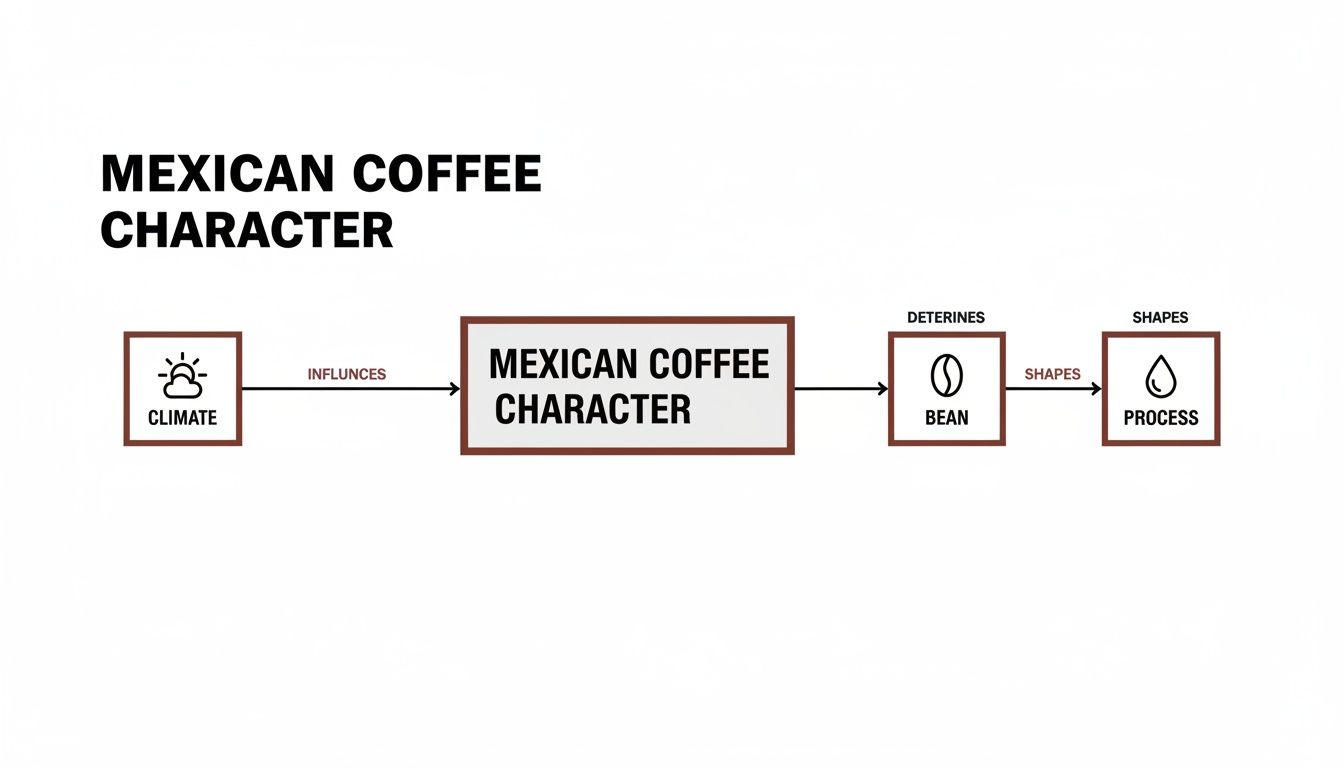
It’s a great reminder that a perfect cup starts long before the roaster, with every step from the farm to the processing mill adding a crucial layer to the flavor.
Veracruz: The Bright and Lively Coastal Classic
Head east to the Gulf Coast and you'll find Veracruz, a region with a deep, storied coffee history. This is where coffee first landed in Mexico back in the 18th century. The beans from here offer a completely different experience from Chiapas, marked by a livelier acidity and a more complex, often fruity, character.
The state’s mountains, especially around the cities of Coatepec and Huatusco, provide the high altitudes needed for great coffee. The nearby ocean creates a unique, humid microclimate that gives the beans their bright, zesty quality. Think of it as the coffee equivalent of a refreshing sea breeze.
Veracruz beans are often lighter and more delicate, making them a favorite for brewing methods that highlight clarity and nuance, like a pour-over or AeroPress. A light to medium roast is perfect for keeping those intricate flavors intact.
Here’s what to expect in a cup from Veracruz:
- Primary Flavors: Look for brighter notes of red apple, citrus fruits like orange and lemon, and a subtle sweetness.
- Underlying Tones: You might also find delicate floral aromas and a hint of spice or even blueberry.
- Body and Acidity: The body is typically lighter, with a crisp, wine-like acidity that makes the coffee feel vibrant and refreshing.
Oaxaca: The Sweet and Creamy Southern Gem
Our final stop is Oaxaca, a region celebrated for its rich indigenous culture and stunningly complex coffees. Oaxacan beans are often described as having a wonderful sweetness and a distinct creamy body that really sets them apart. This region perfectly marries the balanced nature of Chiapas with a unique character all its own.
Grown in the Sierra Madre del Sur mountains, Oaxacan coffee thrives at high altitudes with traditional, shade-grown farming practices passed down through generations. The state is home to many smallholder farmers who take immense pride in their craft, and you can absolutely taste that dedication in the final cup.
Globally, Mexico is a major player, standing as the 10th largest coffee producer with an output of 3.87 million 60-kilogram bags in a recent harvest. Chiapas leads the pack at 37%, followed by Veracruz at 24%, and Oaxaca contributing a significant 8.4%. You can dive deeper into these trends in this Mexico coffee report.
A cup of Oaxacan coffee often delivers a rich, dessert-like experience.
- Primary Flavors: Expect sweet notes of caramel, milk chocolate, and honey.
- Subtle Hints: You might also taste hints of yellow fruit, almond, and a smooth, mellow finish.
- Body and Acidity: It is known for its creamy, round body and a balanced, mild acidity.
To make things simple, here's a quick look at how these three fantastic regions stack up against each other.
Mexican Coffee Regions at a Glance
| Region | Typical Flavor Profile | Best For |
|---|---|---|
| Chiapas | Balanced, milk chocolate, toasted nuts, mild acidity. | Daily drinking, espresso, and those who prefer a smooth, comforting cup. |
| Veracruz | Bright, citrusy, red apple, wine-like acidity. | Pour-over or drip methods; lovers of vibrant and complex coffees. |
| Oaxaca | Sweet, caramel, creamy body, mellow finish. | French press or AeroPress; those seeking a sweet and rich experience. |
By understanding these regional differences, you can move beyond generic labels and start to really appreciate the incredible diversity and quality that the best Mexican coffee beans have to offer.
How to Choose the Right Roast for Mexican Beans
Choosing the right roast level is like picking the right cooking method for a prime cut of steak. You can start with the most incredible, high-altitude Mexican bean, but the wrong roast will either undercook it or completely char its delicate flavors. Roasting is that final, transformative step where a bean’s true potential is unlocked, turning dormant compounds into the rich aromas and tastes we all crave.
Think of a green, unroasted coffee bean as a pantry full of ingredients—sugars, acids, and oils—all just waiting for the right kind of heat. The roaster is the chef, applying that heat to orchestrate a beautiful chemical reaction. The goal isn’t just to brown the bean; it’s to carefully draw out its inherent character.
A lighter roast is like a quick sear, preserving the bean's original, nuanced flavors. As you add more heat and time, those notes start to caramelize and deepen, creating richer and bolder tones. This is why a single-origin Chiapas bean can taste wildly different depending on whether it’s roasted light, medium, or dark.
Light Roast: The Origin Story
A light roast is all about celebrating the bean’s origin. The process is stopped just after the "first crack"—a popping sound a lot like popcorn—when the bean's internal temperature hits around 385–401°F (196–205°C). The result is a cinnamon-brown bean with a dry, non-oily surface.
This minimalist approach preserves the most delicate and complex notes from the bean's terroir. If you have a high-quality bean from Oaxaca with its floral, fruity undertones, or a bright, citrusy bean from Veracruz, a light roast will let those characteristics shine with stunning clarity.
- Flavor Profile: Expect bright, sparkling acidity, floral aromas, and notes of fruit, citrus, or even subtle tea-like qualities. The body is typically lighter.
- Best For: Coffee lovers who enjoy a vibrant, nuanced cup and want to taste the distinct fingerprint of a specific region.
- Brewing Tip: A pour-over or AeroPress is perfect for highlighting the clean, crisp flavors of a light-roasted Mexican coffee.
A light roast tells the unedited story of the coffee bean. It’s the purest expression of its varietal, altitude, and processing, offering a window directly into the farm where it was grown.
Medium Roast: The Crowd-Pleaser
For many coffee drinkers, this is the sweet spot—and arguably where the best Mexican coffee beans truly find their balance. Roasted to a temperature between 410–428°F (210–220°C), medium roast beans have a milk chocolate color and a slightly more developed body. They are still mostly dry on the surface, with maybe just a hint of oil.
A medium roast starts to caramelize the sugars inside the bean, toning down the bright acidity of a light roast while developing deeper flavors of chocolate, nuts, and caramel. This creates a beautifully rounded cup where the origin notes are still present but are perfectly complemented by the richness from the roast itself. A bean from Chiapas, for example, will have its nutty, chocolatey profile amplified perfectly.
If you're exploring different roast levels, our article on what is medium roast coffee is a great resource to learn more.
Dark Roast: The Bold Statement
A dark roast takes the bean on a much longer journey, heating it to 437–464°F (225–240°C) or beyond, well past the second crack. These beans are dark brown to nearly black, with a shiny, oily surface. At this point, the roasting process has completely transformed the bean's original flavor profile.
The delicate origin notes are replaced by bold, powerful flavors created by the roast itself. Think dark chocolate, smoky molasses, and a heavy, robust body. The acidity is muted, and a pleasant bitterness often comes forward, which many people love—especially in espresso.
- Flavor Profile: Dominant notes of dark chocolate, smoke, and roasted nuts. It has a full, heavy body with very low acidity.
- Best For: Those who love a strong, intense, and rich cup of coffee. It’s also excellent for espresso or a French press.
- Brewing Tip: The boldness of a dark roast stands up well to milk and sugar, making it a great choice for lattes and cappuccinos.
Ultimately, picking the right roast comes down to what you love to taste in your cup. By understanding how each level interacts with the bean, you can confidently select the perfect roast to match your taste and unlock the incredible versatility of Mexican coffee.
Why Ethical Sourcing Is Key to Great Mexican Coffee
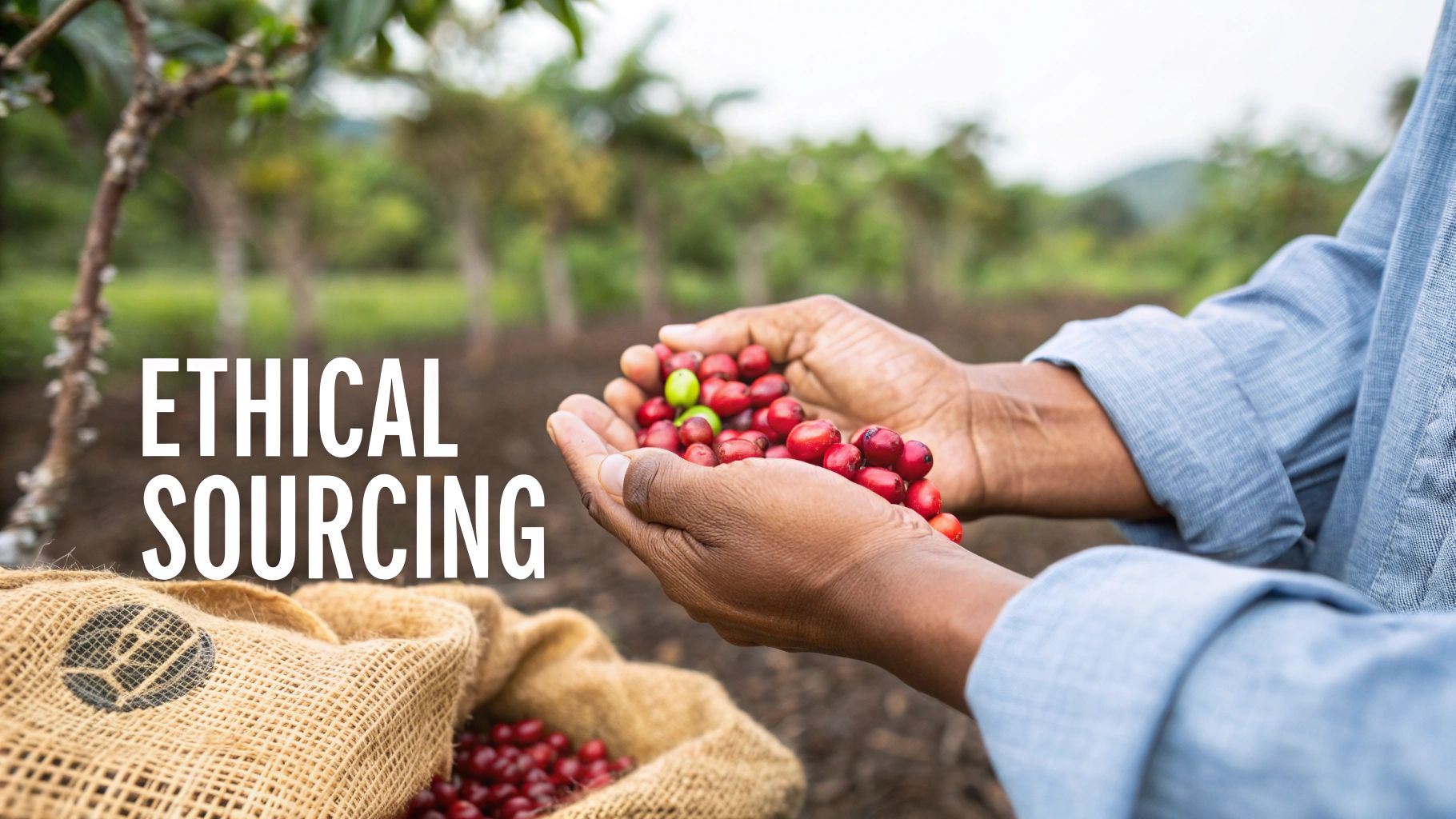
The story behind your coffee matters just as much as what's in the cup. When you're sipping a great Mexican coffee, you're not just tasting the beans; you're connecting with a tradition that spans generations.
Unlike the huge corporate plantations you might find elsewhere, an estimated 90% of Mexican coffee is grown by smallholder farmers. Many of these producers are of indigenous heritage, managing tiny farms of just a few acres. This isn't just a quaint detail—it's the heart and soul of the industry.
These small, family-owned operations are the backbone of rural economies. But they also face some serious hurdles, from unpredictable market prices to the growing impact of climate change. That’s where ethical sourcing comes in. It’s not just about feeling good; it’s about building a sustainable system that protects the quality of the coffee and the well-being of the people who grow it.
Choosing ethically sourced beans is a direct investment in these communities. It ensures farmers get a fair price for their incredibly hard work, allowing them to support their families, invest in better farming methods, and protect the local environment.
Understanding Key Certifications and Practices
Jumping into the world of ethical coffee can feel a little overwhelming, but a few key labels act as your guide. Think of them as signposts pointing you toward a better, more responsible cup. They're a guarantee that the coffee was produced with respect for both people and the planet.
Here are the most important ones to look for:
- Fair Trade: This one is all about economic stability for farmers. It guarantees a minimum price for their coffee, which shields them from volatile market swings. It also provides an extra premium that communities can invest back into local projects, like schools or clean water initiatives.
- Rainforest Alliance: You'll know this one by its little green frog seal. This label means the farm meets strict standards for environmental, social, and economic sustainability. It's focused on promoting biodiversity, conserving natural resources, and supporting workers' rights.
- Direct Trade: While not a formal certification, this is a practice where roasters like Lost Without Coffee Co. build personal relationships directly with farmers or cooperatives. This often leads to better pay for farmers and gives us incredible transparency into the quality and farming techniques behind the beans.
By choosing beans with these certifications, you're casting a vote for a more equitable coffee industry. It's a simple action that creates a powerful ripple effect, ensuring that the farmers who produce our favorite morning ritual can thrive.
How Ethical Practices Lead to Better Coffee
Here’s the really cool part: there's a direct link between ethical practices and the quality of the coffee you drink. It’s not a coincidence.
When farmers are paid fairly and have access to resources, they can afford to invest back into their land. They can implement more meticulous techniques, like hand-picking only the perfectly ripe cherries or improving their drying methods. It’s this incredible attention to detail that translates directly into superior flavor.
Plus, sustainable practices like shade-grown farming—often a requirement for these certifications—create a healthier ecosystem. The forest canopy protects the coffee plants, enriches the soil, and allows the coffee cherries to mature slowly. This slow ripening process is what develops the deep, complex sugars and nuanced acidity that define the very best Mexican coffee beans.
Ultimately, ethical sourcing isn't a compromise. It's a commitment to a better product from start to finish. It ensures that the rich, chocolatey notes of a Chiapas bean or the bright citrus of a Veracruz roast are the result of a system that honors both the land and the dedicated people who cultivate it.
Brewing and Storing Your Coffee for Peak Freshness
Bringing home a fantastic bag of Mexican coffee beans is really just the beginning of the adventure. The final, crucial steps—how you brew and store them—are what turn those carefully roasted beans into an unforgettable cup, whether you're in your kitchen or out in the wild.
Think of your roasted coffee beans like fresh bread from a bakery. As soon as they're exposed to their four biggest enemies (oxygen, light, heat, and moisture), they start to go stale. All those vibrant, complex flavors you were excited about can disappear in just a couple of weeks, leaving you with a dull, generic-tasting brew.
So, what's the secret to keeping that just-roasted magic alive? It's simple: store your beans in an opaque, airtight container and tuck them away in a cool, dark spot like a pantry or cabinet. Whatever you do, keep them out of the fridge or freezer! The condensation that forms can ruin the delicate oils responsible for all that amazing flavor.
Key Takeaway: Oxygen is your coffee's worst enemy. Every time you open the bag, more air gets in and speeds up the staling process. This is exactly why buying smaller bags more often—like ours at Lost Without Coffee Co.—ensures every cup you brew is as fresh and flavorful as possible.
Matching Your Brew Method to the Bean
Once your beans are safely stored, it’s time for the fun part: brewing. The right technique can really make the unique character of your Mexican coffee sing. For a deeper dive into storage, be sure to check out our complete guide on how to store coffee beans properly.
Here are a few of our favorite methods for bringing out the best in Mexican beans:
- Pour-Over (V60, Chemex): This method is absolutely perfect for showcasing the bright, delicate notes found in light-to-medium roasts from Veracruz or Oaxaca. The paper filter produces an incredibly clean cup, allowing those subtle floral and citrus aromas to take center stage. For best results, use water around 200°F (93°C).
- AeroPress: Incredibly versatile and practically indestructible, the AeroPress is a traveler’s dream and works wonders with medium-roasted Chiapas beans. It delivers a rich, full-flavored cup with low acidity, amplifying those classic chocolate and nutty notes. Its speed and durability make it a no-brainer for any camping trip.
- French Press: If you love a coffee with serious body and a rich, immersive flavor, the French press is for you. It's a fantastic match for medium-dark roasts, creating a brew that emphasizes the coffee's natural sweetness and a wonderfully heavy mouthfeel.
Your Top Questions About Mexican Coffee, Answered
Jumping into the world of specialty coffee always sparks a few questions. To help you get your bearings and choose your next favorite bag with confidence, we've pulled together answers to the queries we hear most often about Mexican coffee beans.
Think of this as your quick-start guide to understanding what makes this origin so special. Let's get into it.
Is Mexican Coffee Strong?
That's a great question, and the answer really depends on what you mean by "strong." Are we talking about caffeine kick or flavor intensity?
Mexican coffee is almost exclusively grown from Arabica beans, which are known for their smooth, mild body and lower bitterness compared to their Robusta cousins. The real sense of strength comes from the roast and how you brew it.
If "strong" to you means a bold, in-your-face flavor, you'll want to go for a medium-dark or dark roast. These roasts are fantastic at pulling out those deep chocolate and nutty notes, especially in beans from Chiapas. Brewing with something like a French press will also give you a much heavier, more robust cup.
What Is the Best Way to Brew Mexican Coffee Beans?
One of the best things about Mexican coffee is its versatility—it plays well with just about any brewer. There isn’t one single “best” way to brew it. Instead, the magic is in matching your brew method to the bean's profile to make its best qualities pop.
Here are a few pairings that we love:
- Pour-Over (V60/Chemex): This is the perfect match for light-roasted beans from Veracruz or Oaxaca. A pour-over gives you a super clean, bright cup that lets all those delicate floral notes and fruity acidity really sing.
- AeroPress: Got some medium-roasted Chiapas beans? The AeroPress is your best friend. It creates a rich, full-bodied brew that beautifully highlights those classic chocolate and nutty flavors.
- French Press: For anyone who loves a heavy-bodied coffee, a French press is the way to go with medium-dark to dark roasts. It extracts all the oils and deepens those rich, sweet flavors for a truly satisfying mug.
Are All Mexican Coffees Organic?
While Mexico is a powerhouse producer of organic coffee, not every bean you find will have the official certification sticker. A huge amount of the country's coffee comes from smallholder farmers who use traditional, shade-grown methods that are organic in everything but name.
The reality is, for many of these small farms, the cost of getting an official organic certification is just too high, even when they're already following all the right sustainable practices. This is why we believe it's more important to look for ethically sourced beans from roasters and co-ops that value transparency and sustainability. That approach guarantees you get incredible coffee while also supporting the farming communities and the environment.
At Lost Without Coffee Co., we're all about sourcing exceptional, ethically produced beans that tell the story of where they came from. Find your perfect adventure fuel in our curated selection of specialty coffees. Shop our collection today.